Global Japanese Sushi Rolls
Highlighted under: Continental Food
I absolutely love making sushi at home, and today I'm excited to share my recipe for Global Japanese Sushi Rolls. The vibrant colors, fresh ingredients, and unique flavor combinations make this dish a delight for the senses. Preparing sushi rolls is surprisingly simple, and it's a fun way to get creative in the kitchen. Whether you’re entertaining friends or enjoying a quiet night in, these rolls are sure to impress. Let’s roll up our sleeves and get started on a culinary adventure that captures the essence of Japanese cuisine with a global twist.
Making these Global Japanese Sushi Rolls was an exciting experiment! I decided to incorporate flavors from around the world, and the result was sensational. Using traditional sushi rice and seaweed combined with unique fillings like spicy mango and fresh avocado was a game changer.
One key tip is to ensure your rice is slightly sticky to make rolling easier. After cooking, let the rice sit for a few minutes and then gently mix it with rice vinegar. This balances the flavor and adds a lovely sheen, making every bite a little party for your taste buds.
Why You'll Love These Rolls
- Unique flavor combinations that celebrate global influences
- Fresh, high-quality ingredients that enhance every bite
- A fun and interactive dish perfect for gatherings or family nights
The Art of Sushi Rolling
Rolling sushi may seem intimidating at first, but with practice, it becomes an enjoyable ritual. When spreading the sushi rice, aim for a thin layer evenly across the nori to maintain balance. Leaving a one-inch border at the top is crucial, as it prevents spills and makes sealing easier. Remember, the roll should be firm but not overly tight, which can cause fillings to squeeze out or the nori to tear. I recommend practicing with a few test rolls before your final version.
Once you’ve mastered rolling, consider varying your fillings to suit your taste or dietary preferences. Substituting cooked crab or tofu for shrimp can create delightful variations, especially for vegetarians. If you're seeking an extra crunch, add thin cucumber strips or tempura flakes in your rolls. Experimenting with textures and flavors not only enriches your sushi experience but also makes each roll uniquely your own.
Perfecting Your Sushi Rice
The key to outstanding sushi rolls lies in the rice. Using high-quality sushi rice, which has a higher starch content than regular rice, ensures a sticky consistency that is essential for rolling. Rinse the rice thoroughly until the water runs clear to remove excess starch, which can make the rice gummy. After cooking, allow the rice to steam off the heat for 10 minutes; this step is often overlooked and is critical for achieving the perfect texture.
When seasoning the rice, the balance of rice vinegar, sugar, and salt is vital. This mixture should be seasoned casually; a slight adjustment to the sugar can enhance sweetness if using sweeter fillings like mango. Gently folding the seasoning into the rice preserves the integrity of the grains. The rice should have a glossy finish and a balanced taste, setting a flavorful foundation for your rolls. If using brown rice, be aware it requires a longer cooking time and a different vinegar-to-rice ratio.
Serving and Storing Sushi Rolls
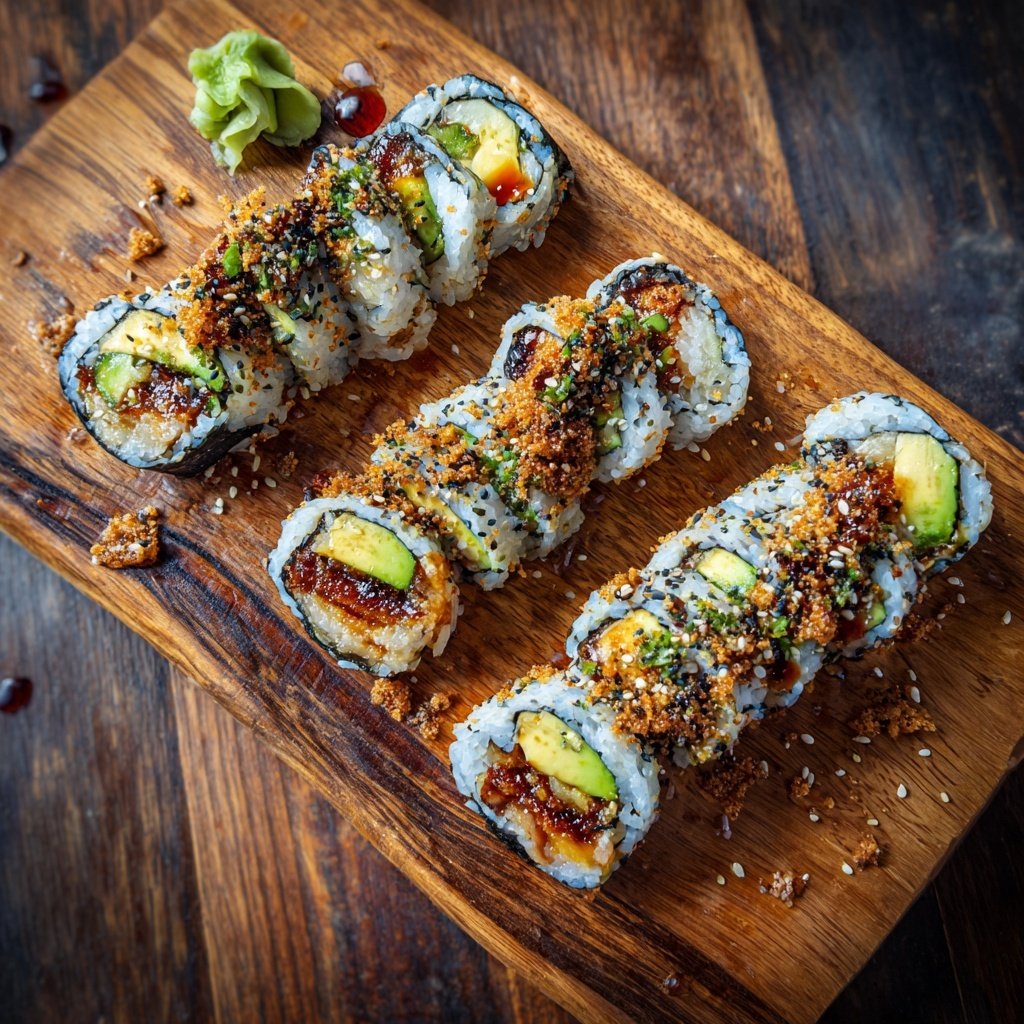
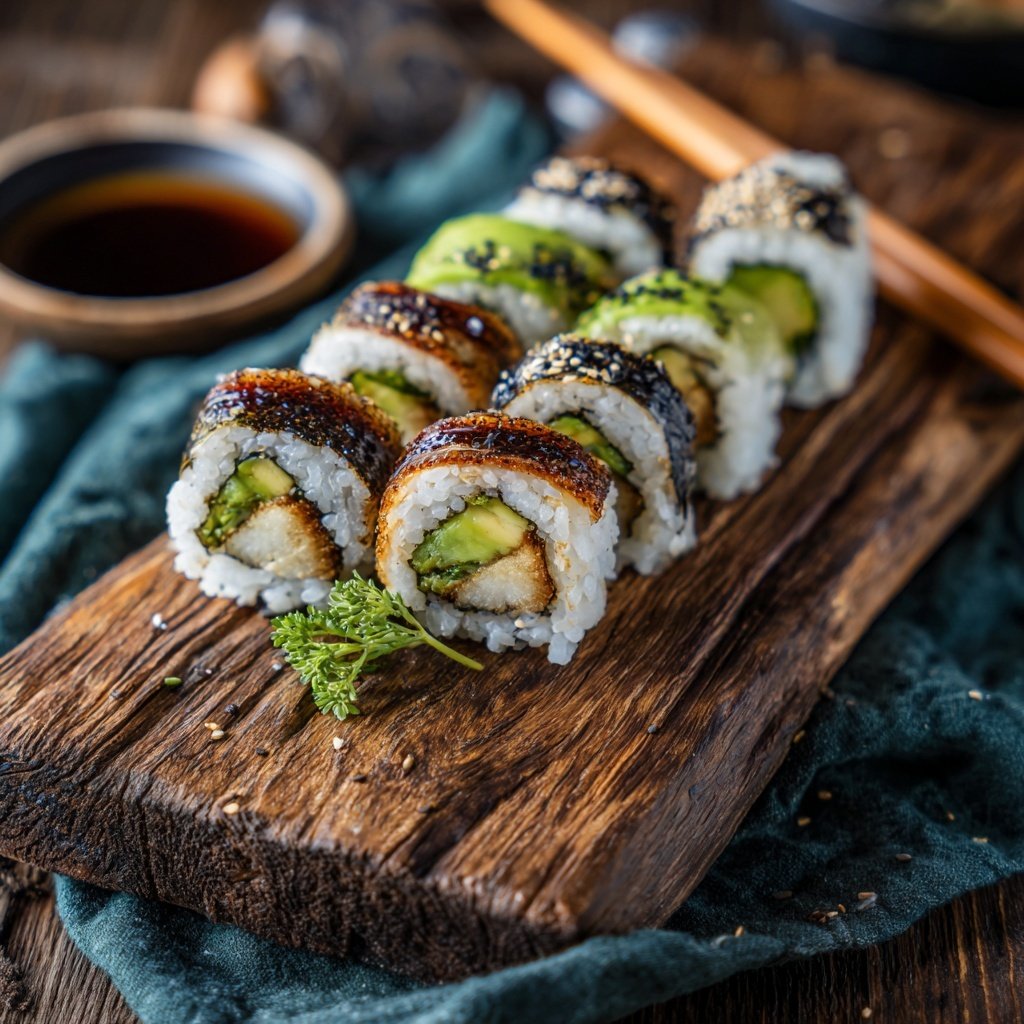
To serve your sushi rolls, consider pairing them with traditional accompaniments like soy sauce, pickled ginger, and wasabi for an added kick. Slicing the rolls into 1-inch pieces not only makes them bite-sized but also showcases the colorful fillings. For a beautiful presentation, use a sharp knife and wet it between cuts to prevent sticking and tearing the seaweed.
If you have leftover sushi rolls, store them in an airtight container in the refrigerator for up to 24 hours. To keep the nori from becoming too soggy, avoid stacking rolls directly on top of each other. Sushi is best enjoyed fresh, but if you plan on making a batch ahead of time, you can prepare the rice and fillings in advance and assemble the rolls just before serving.
Ingredients
Ingredients
Sushi Rice
- 2 cups sushi rice
- 2 1/2 cups water
- 1/4 cup rice vinegar
- 2 tablespoons sugar
- 1 teaspoon salt
Fillings
- 1 ripe avocado, sliced
- 1 mango, julienned
- 4 ounces cooked shrimp, chopped
- 2 sheets nori (seaweed)
- Soy sauce for dipping
Special Garnishes
Instructions
Instructions
Prepare the Sushi Rice
Rinse the sushi rice under cold water until the water runs clear. Drain and then combine it with water in a rice cooker. Cook according to the manufacturer's instructions. Once done, let the rice sit covered for 10 minutes.
Season the Rice
In a small bowl, combine rice vinegar, sugar, and salt. Heat gently until the sugar dissolves. Mix this seasoning into the warm rice while gently folding to keep the grains intact.
Assemble the Sushi Rolls
Place a sheet of nori on a bamboo sushi mat, shiny side down. Wet your hands and spread a thin layer of rice over the nori, leaving a 1-inch border at the top. Layer your fillings across the middle.
Roll the Sushi
Using the mat, carefully roll away from you, pressing gently to form a tight roll. Seal the edge with a little water, then slice into pieces using a sharp knife.
Serving
Pro Tips
- Make sure to use high-quality sushi rice and fresh fillings for the best flavor. Experiment with different ingredients to customize your rolls to your taste!
Flavor Pairing Ideas
While the suggested fillings of avocado and shrimp bring a lovely combination of creaminess and savory depth, consider adding a drizzle of sriracha or a sprinkle of sesame seeds for extra flavor and texture. If you enjoy bold flavors, try incorporating a layer of spicy tuna or marinated tofu for a more complex taste. Balancing sweetness and umami through diverse ingredients can elevate your sushi beyond the traditional experience.
For a refreshing twist, add fresh herbs like cilantro or mint alongside your primary fillings. These add brightness and vivacity, making each bite exciting. You could also try different sauces for dipping, such as ponzu or a soy sauce reduction, which can enhance the overall flavor profile of your sushi creations. Play around with combinations until you find your personal favorites!
Troubleshooting Your Sushi
If you find your sushi rice too sticky while rolling, it might be too wet. Ensure that you’ve rinsed the rice thoroughly and let it cool slightly before handling. If it seems dry and crumbly, consider adding a dash of water to your hands while spreading it over the nori for better adhesion. Finding the balance in the moisture levels is crucial to the overall success of your sushi rolls.
If your nori tears while rolling, remember to apply gentle pressure as you roll and avoid overfilling. A crisp nori sheet is much easier to work with, so keep them sealed in an airtight container until you’re ready to use them. A quick toast over a flame will also help to intensify the flavor and flexibility of the sheets, making them easier to roll without tears.
Questions About Recipes
→ Can I use brown rice for sushi?
Yes, you can! Just keep in mind that the texture and cooking time will be different.
→ What can I substitute for nori?
You can use rice paper or even just leave it out; the rolls will still taste amazing wrapped in rice.
→ How do I keep sushi rolls fresh?
Store any leftovers tightly wrapped in plastic in the refrigerator, and eat them within a day for the best flavor.
→ What sauces pair well with sushi?
Soy sauce, spicy mayonnaise, and wasabi are traditional options that enhance the flavors wonderfully.
Global Japanese Sushi Rolls
Created by: The Chefxavierkitchen Team
Recipe Type: Continental Food
Skill Level: Intermediate
Final Quantity: 4 rolls
What You'll Need
Sushi Rice
- 2 cups sushi rice
- 2 1/2 cups water
- 1/4 cup rice vinegar
- 2 tablespoons sugar
- 1 teaspoon salt
Fillings
- 1 ripe avocado, sliced
- 1 mango, julienned
- 4 ounces cooked shrimp, chopped
- 2 sheets nori (seaweed)
- Soy sauce for dipping
How-To Steps
Rinse the sushi rice under cold water until the water runs clear. Drain and then combine it with water in a rice cooker. Cook according to the manufacturer's instructions. Once done, let the rice sit covered for 10 minutes.
In a small bowl, combine rice vinegar, sugar, and salt. Heat gently until the sugar dissolves. Mix this seasoning into the warm rice while gently folding to keep the grains intact.
Place a sheet of nori on a bamboo sushi mat, shiny side down. Wet your hands and spread a thin layer of rice over the nori, leaving a 1-inch border at the top. Layer your fillings across the middle.
Using the mat, carefully roll away from you, pressing gently to form a tight roll. Seal the edge with a little water, then slice into pieces using a sharp knife.
Extra Tips
- Make sure to use high-quality sushi rice and fresh fillings for the best flavor. Experiment with different ingredients to customize your rolls to your taste!
Nutritional Breakdown (Per Serving)
- Calories: 320 kcal
- Total Fat: 9g
- Saturated Fat: 1g
- Cholesterol: 50mg
- Sodium: 300mg
- Total Carbohydrates: 52g
- Dietary Fiber: 4g
- Sugars: 5g
- Protein: 10g